2 hours ago
Latest Updates
Featured Posts
Get in Touch
Location:
123 Innovation Street
Tech District, CA 94105
123 Innovation Street
Tech District, CA 94105
Email:
[email protected]
[email protected]
Phone:
+1 (234) 567-890
+1 (234) 567-890
Flavorful Kebabs, Biryani and Much More: An Indian Metropolis Gains Recognition on Unesco Creative Cities List.
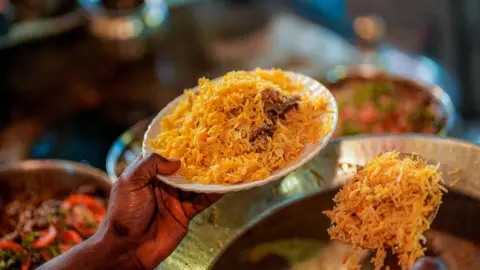
Tempting kebabs, fragrant biryani, and whipped, ethereal desserts.
The metropolis in India's north of Lucknow has consistently been a dream destination for epicures, with residents and travelers equally swearing by its remarkable cuisine.
Worldwide Recognition
Last month, The United Nations Educational, Scientific and Cultural Organization recognised it as a UNESCO Creative City for Gastronomy – including it in a prestigious list of world cities and sparking hopes that it will highlight Lucknow's exceptional food. With this status, it joins a international community of over 400 cities across more than 100 countries dedicated to promoting "artistic expression as a driver of city development that is sustainable".
The recognition "stands as proof of its deep-rooted culinary traditions and vibrant food ecosystem," as noted by a representative from UNESCO's Regional Office for South Asia.
Lucknow is merely the second Indian city – after Hyderabad, which was picked in 2019 – to secure a position in this prestigious list of seventy urban centers internationally.
A City Defined by Food
The accolade for this historic city arrives as no surprise to its residents or dedicated food lovers. Many echo the view that it is "a recognition that was delayed".
With the UNESCO accolade, this cherished, bustling, and vibrant city – the administrative center of India's biggest state – is finally in the global gaze for what has consistently defined its soul: an unparalleled devotion for food.
"'The day's menu, how will it be cooked' is a constant dialogue from waking up until going to bed in most homes," explains a local cultural expert. "And you are often judged by the excellence of food that emerges from your kitchen."
A Royal Culinary Legacy
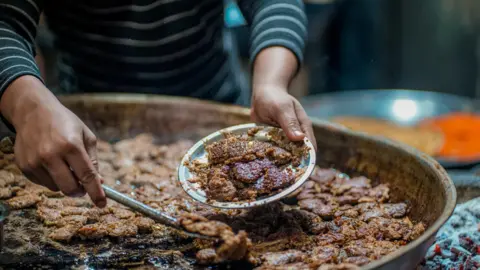
The Nawabi City – as it's widely known after its 18th and 19th-century affluent Muslim rulers – is renowned for its tender kebabs and a unique take on biryani that were created, perfected, and taken to extraordinary levels in their opulent kitchens.
These royal kitchens were centers of food experimentation, merging Persian and indigenous Indian styles to create what became known as the culinary tradition of Awadh.
It was in that period that Lucknow's renowned kebabs were developed. As the tale is told that the mutton galouti was invented to cater to an ageing nawab who had lost his teeth. His culinary artists minced the meat with raw papaya, kesar, and spices and made it so soft that it needed no chewing.
But arguably the biggest contribution of the chefs of Awadh was the slow-cook Dum pukht technique, where food is cooked on a low, slow heat, with the pot's lid securely closed with dough.
A Diverse Culinary Landscape
Besides the famous kebabs and biryani, the cooks also created a collection of dishes that included kormas (rich curries), sheermal (saffron-infused flatbread), and shahi tukda (a rich bread pudding).
However, Lucknow is not just about kebabs and biryani – the region is also a dream for plant-based eaters.
The local Baniya community's cuisine doesn't just celebrates seasonal produce but also gives the city its highly curated Indian desserts, sweets, and unique street food, like chaat – tangy fried snacks.
Iconic Stalls and Historic Shops
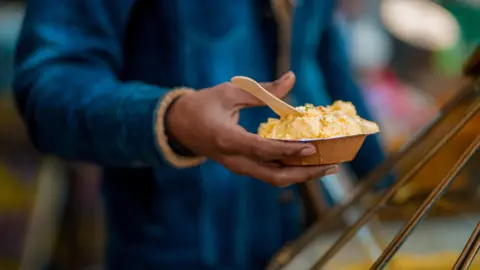
Virtually on many street corners, there are tiny kiosks and kiosks – lesser-known gems that are immensely popular with the locals.
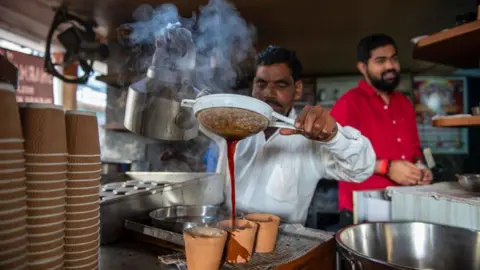
In the central district of Hazratganj, throngs of people start gathering from 5 am at a renowned tea stall to get a steaming cup of milky masala chai, served in earthenware cups, along with pillowy soft buns lathered with freshly churned white butter.
To start the day, one can visit a unpretentious joint located in the historic quarter of Aminabad. Nearly 150 years after it was established, the place is still highly popular for its freshly fried kachoris (fried bread stuffed with lentils) and jalebis (crispy, syrup-soaked sweets).
Safeguarding a Culinary Heritage
The city also offers remarkable treats of the season, such as makkhan malai, a frothy dessert savored in the winter. The method of making it is precise and demanding. The artisan hand-churns the milk and then exposes it at night, allowing the dew to give it its unique light consistency.
On crisp mornings, street vendors line up in historic neighborhoods like Aminabad and Chowk. A number of but say that their younger generation do not want to master the art.
A celebrity chef from Lucknow has often said that the city's immense food legacy positions it among the best of the Indian street food experience. The true benefit from the UNESCO recognition, however, will materialize only if Lucknow can now build recognition about its hidden eateries.
Every dish in Lucknow has a narrative – crafted by multi-generational food businesses, from modest street carts to bustling restaurants, and secret family recipes.
The international acclaim, it is anticipated, will inspire more people worldwide to learn these stories and travel to the city to savour the food wonders of Lucknow.

Damon Johnson
A seasoned gaming journalist with over a decade of experience in the UK casino industry, specializing in slot machine analysis and player safety.
News
Sponsored News
News
Finest TV Selections: Seven Can't-Miss Films This Week
By Damon Johnson
•
03 Oct 2026
News
Disappointing Buatsi Beats Parker in Manchester
By Damon Johnson
•
03 Oct 2026
News
'We’re like a family here': Habib Diarra delights in positive vibes at the Black Cats.
By Damon Johnson
•
03 Oct 2026
News
Fraudsters' Fake Goods 'Could Cause Real Harm'
By Damon Johnson
•
02 Oct 2026
News
Paris Saint-Germain Defeats Marseille via Spot-Kicks to Secure French Super Cup in Kuwait.
By Damon Johnson
•
02 Oct 2026
News
How 'Showgirl Glamour' Transformed into the Glittering Look of the New Year
By Damon Johnson
•
02 Oct 2026